
Explore Our Services
Explore our range of services designed to help you move forward with confidence, wherever you're headed next.
Aesthetic Surgical Procedures
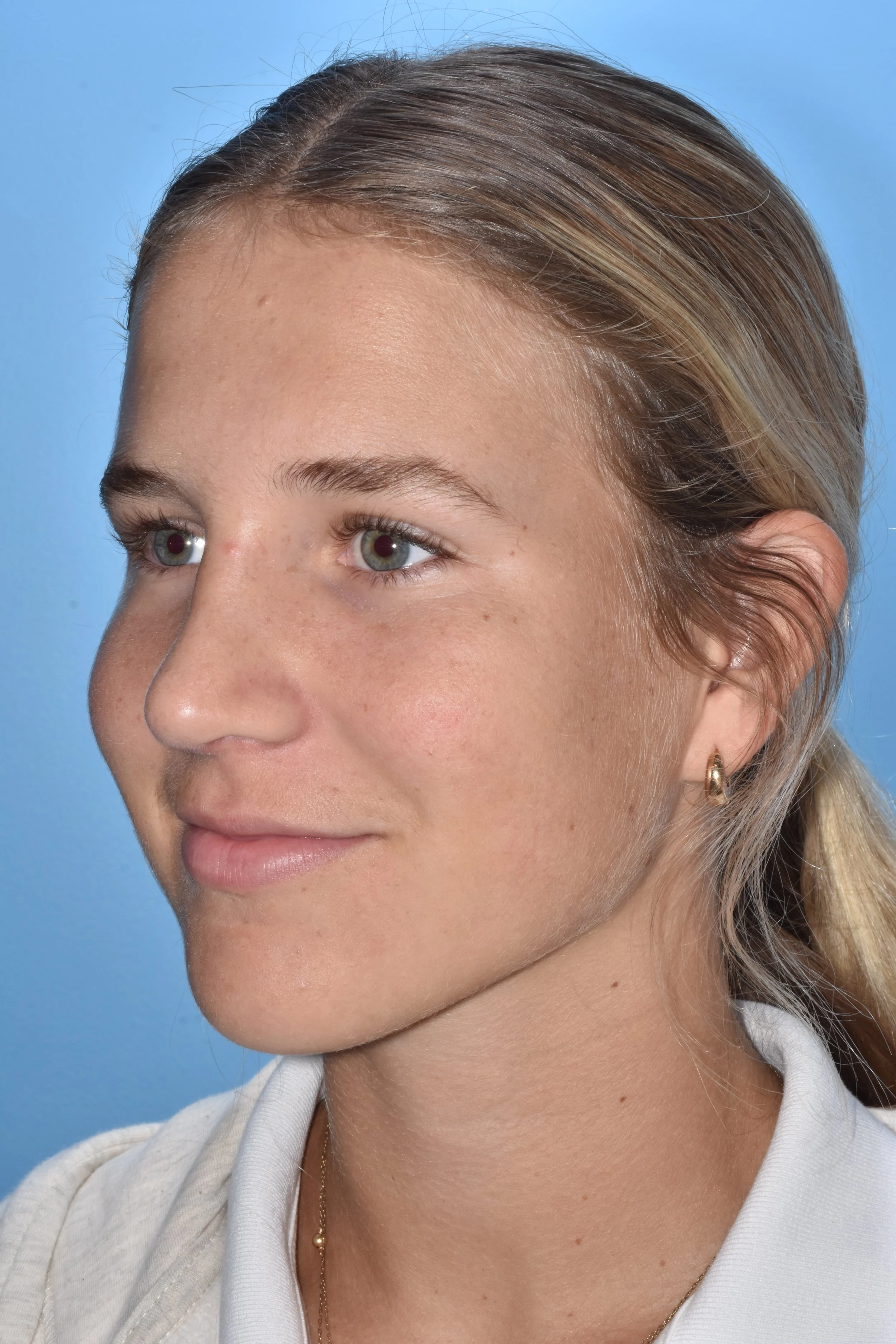
Rhinoplasty is a surgical procedure with the goal of aesthetic changes and/or functional improvements. Aesthetic rhinoplasty focuses on external appearance — refining the nasal bridge, reshaping the tip, narrowing the nostrils, or correcting asymmetry — to create facial balance and harmony. Functional rhinoplasty addresses breathing issues caused by structural problems such as a deviated septum, enlarged turbinates, or collapsed nasal valves. Sometimes functional goals are often performed alongside aesthetic changes to improve both form and function.
I typically perform rhinoplasty using either an external (open) approach, involving a small incision across the columella — the strip of tissue between the nostrils — to expose the underlying structures. The external approach provides superb visualization of the nasal framework, allowing access to make detailed and precise alteration of the cartilage and bone to achieve the planned outcome.
Altering the cartilage of the nasal tip and the bony/cartilaginous components of the nasal bridge is central to producing the external result. Tip modification may include reshaping, trimming, suturing, or grafting the lower lateral cartilages to refine projection, rotation, and definition. Bridge adjustments can involve rasping, shaving, and osteotomies (controlled fractures) of the nasal bones. Grafts can provide augmentation, to reinforce structural support, and change shape of underlying cartilage. These manipulations work together to create the desired external appearance while maintaining or improving nasal integrity.
Nasal harmony is enhanced by ensuring facial harmony. A recessive chin on profile view further creates the illusion of the nose sticking too far out from the face. Augmenting the chin with a chin implant brings the plane of the face forward.
Because every face and airway is unique, rhinoplasty uses multiple techniques that are customized to the individual patient. I take into account skin thickness, cartilage strength, facial proportions, nasal airway function, and the patient’s aesthetic goals to select the appropriate combination of maneuvers. Whether the plan emphasizes subtle refinement or significant reconstruction, the individualized approach aims to produce a natural-looking result that respects both cosmetic desires and functional needs.
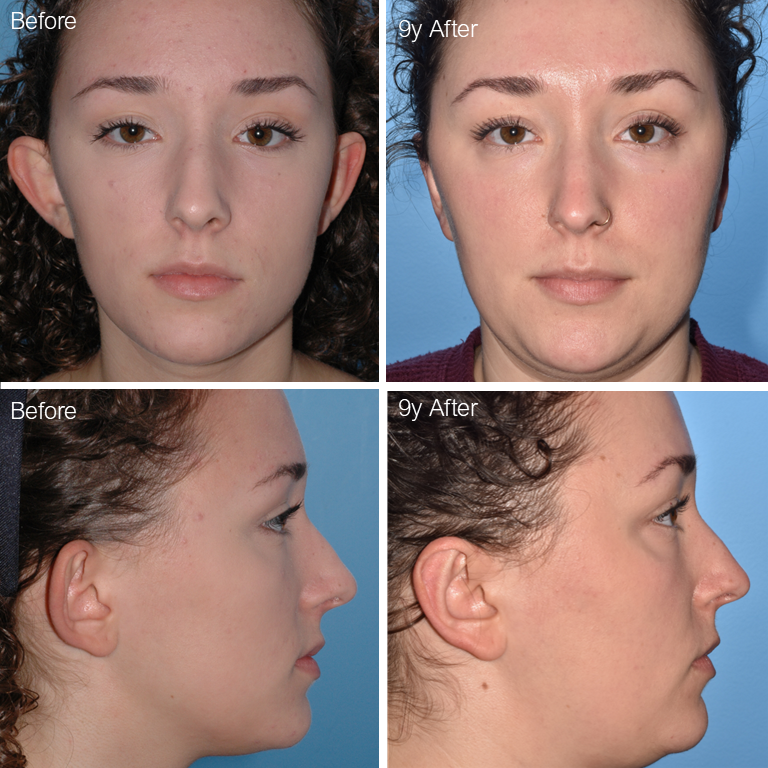
One of the most common concerns patients have about their ears is that they appear too prominent from the front. When ears project outward, they can draw attention away from the natural focal point of the face — the eyes. For children and adults alike, this can lead to self-consciousness and, in some cases, years of unwanted teasing. Ear reshaping surgery, or otoplasty, is a highly effective way to create a more balanced, natural ear contour.
Why Do Ears Appear Prominent?
Prominent ears usually result from one or both of the following anatomical features:
A weak or underdeveloped antihelical fold
This natural curved ridge gives the ear its gentle backward contour. When it is absent or flattened, the ear projects outward.An enlarged or deep conchal bowl
The conchal bowl is the central cup of the ear. If it is overly deep, it pushes the ear away from the head.
How Otoplasty Creates a Natural Result
Otoplasty reshapes and repositions the ear cartilage to restore natural proportions — not to “pin the ears back,” but to create harmony and balance. To recreate the antihelical fold, I typically use refined suture techniques (known as the Mustardé technique) to gently form a smooth, natural curve. If the conchal bowl is contributing to excess projection, I may use setback sutures or selectively reduce cartilage to bring the ear closer to the head in a controlled, precise manner. These techniques can be combined and adjusted to correct asymmetry and achieve a result that looks effortless and natural.
The Goal
The goal of ear reshaping is subtle but powerful: to allow the ears to blend naturally into the overall facial structure — so attention returns where it belongs. If you’re considering otoplasty for yourself or your child, a consultation can help determine the best approach to achieve a balanced, confident appearance.
Reconstructive Surgical Procedures
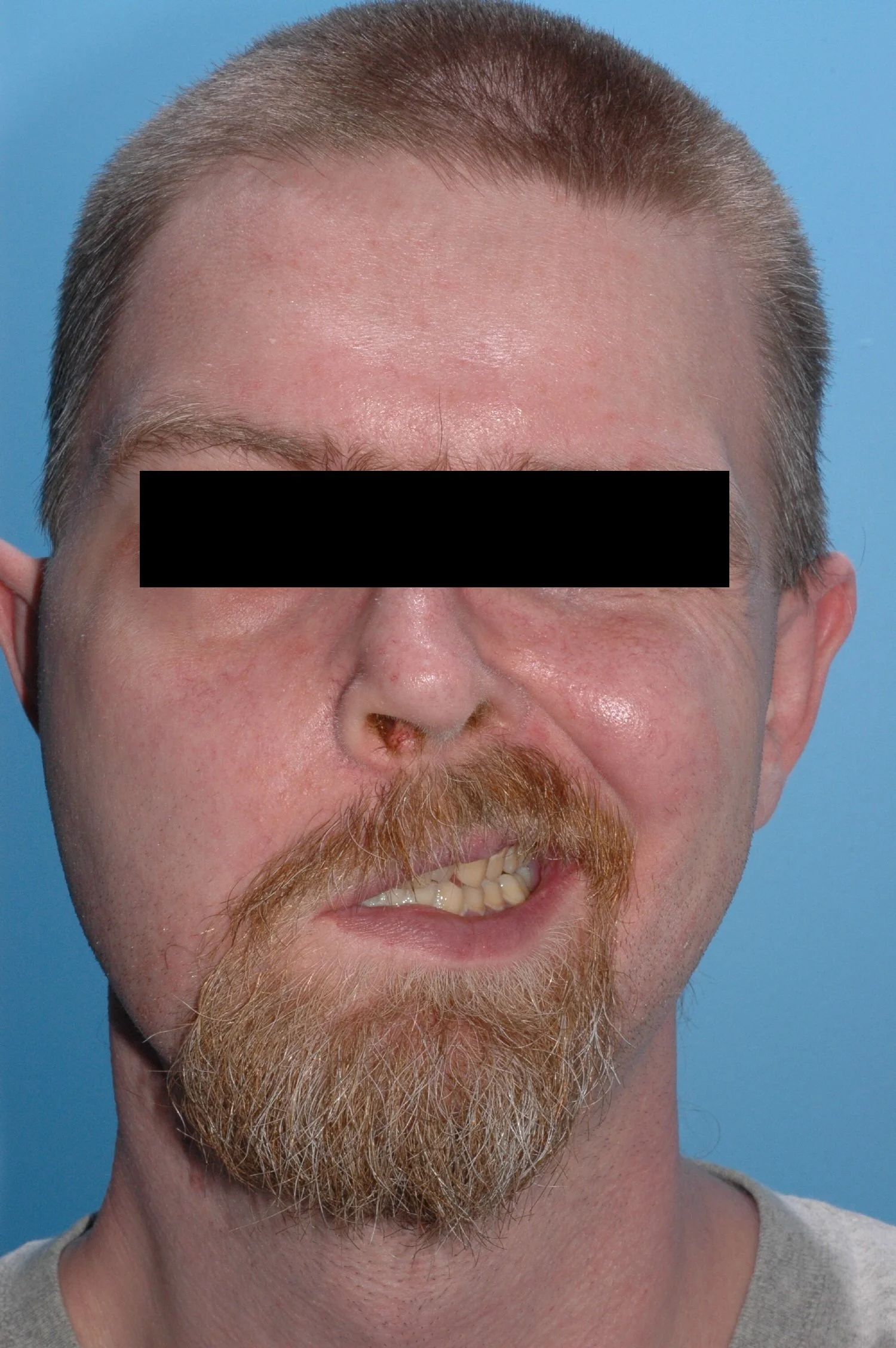
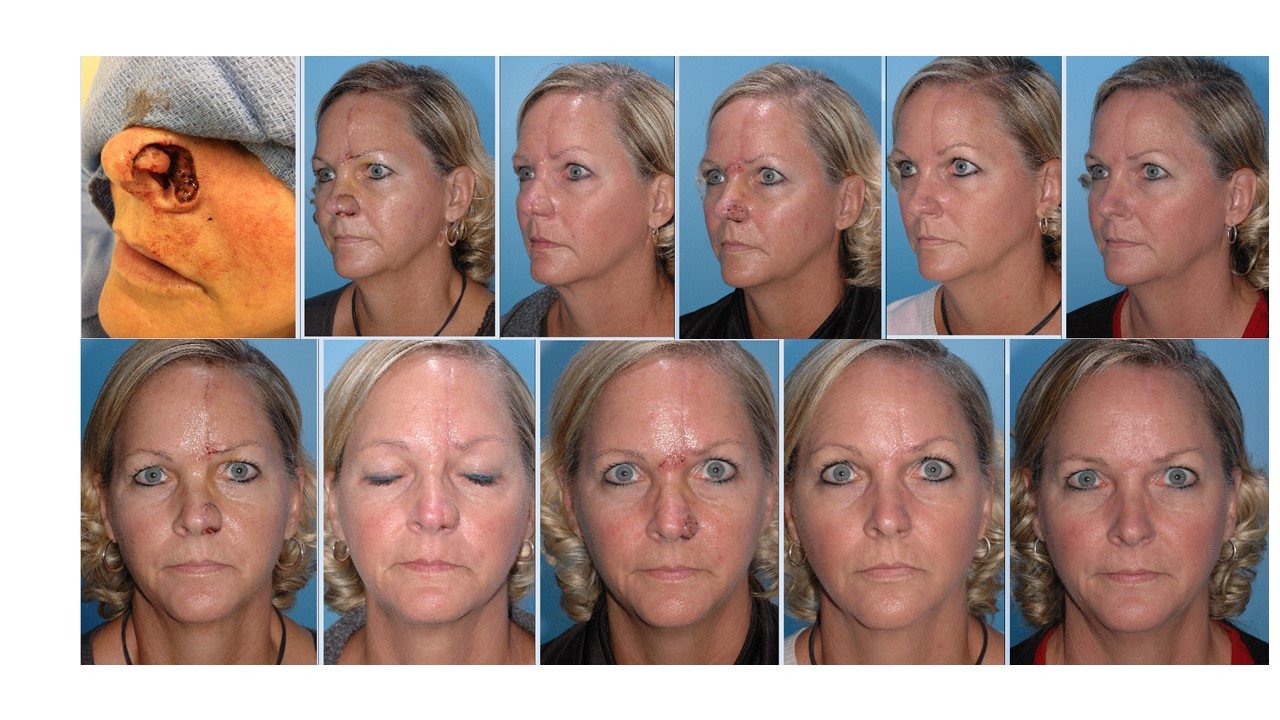
Facial Reconstruction Surgery: Restoring Form and Function
Facial reconstruction surgery is among the most complex areas of plastic and reconstructive surgery, requiring careful attention to both appearance and function. The face is central to identity, communication, breathing, vision, and speech—making precise, individualized reconstruction essential.
We specialize in comprehensive facial reconstruction for patients with defects resulting from trauma, cancer, or prior surgery. Our goal is not only to restore natural appearance, but also to preserve and improve critical functions such as vision, nasal breathing, speech, and swallowing.
Comprehensive Reconstruction of Complex Facial Structures
We treat a wide range of complex facial defects, including those involving the:
Eyelids (critical for eye protection and vision
Nose (nasal airway and facial balance)
Ears (form and auditory function)
Facial skeleton (bony support and contour)
Mouth and throat (speech, swallowing, and airway function)
These areas often require highly specialized techniques due to their intricate anatomy and essential roles in daily life.
Advanced Reconstructive Techniques
Reconstruction is tailored to each patient and defect, using a range of advanced surgical techniques, including:
Local tissue rearrangement to reposition nearby skin and soft tissue
Local and regional flaps to restore contour and function with similar tissue
Free tissue transfer (microsurgery) to reconstruct complex or large defects using tissue from other parts of the body
By combining these approaches, we are able to restore both structure and function, even in the most challenging cases.
A Personalized, Multidisciplinary Approach
Facial reconstruction often requires careful planning and coordination, particularly in patients undergoing treatment for skin cancer or head and neck cancer. Every reconstruction is individualized, with a focus on achieving the best possible functional and aesthetic outcome.
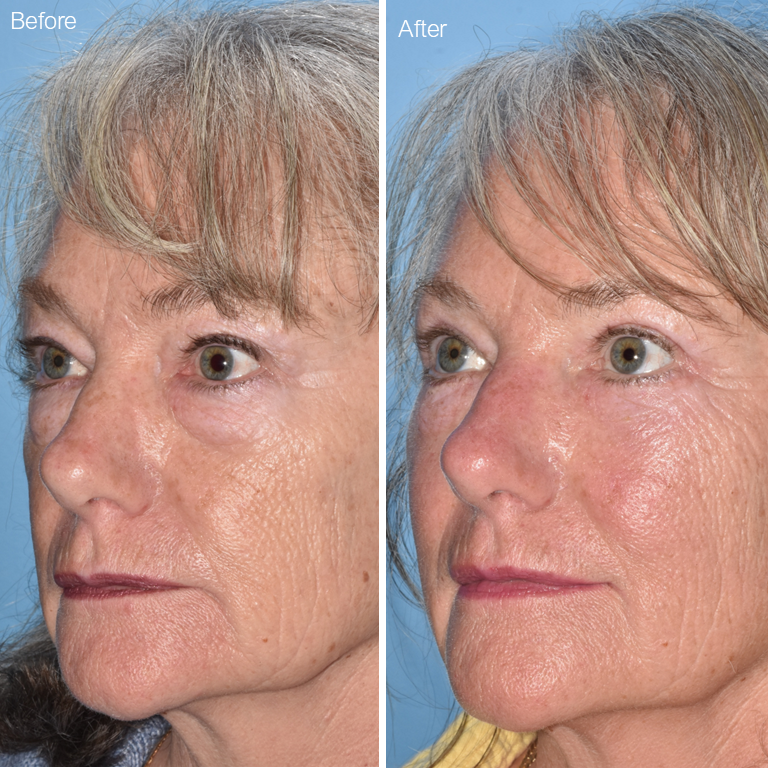
What Is Blepharoplasty?
Blepharoplasty, or eyelid surgery, is a procedure designed to rejuvenate the upper and lower eyelids by addressing excess skin, fat, and age-related changes. Over time, the delicate tissues around the eyes can lead to puffiness, under-eye bags, and heaviness of the upper eyelids, contributing to a tired or aged appearance. Upper and lower eyelid surgery can be performed individually or together, often in combination with brow lifting, to create a more youthful, rested, and natural look.
Upper Eyelid Blepharoplasty: Skin and Fat Excision
For the upper eyelids, I perform precise removal of excess skin and, when appropriate, conservative fat excision. This approach is designed to:
Reduce upper eyelid hooding
Improve eyelid contour and crease definition
Restore a more open, refreshed appearance
Improve vision in cases where excess skin obstructs the visual field
Care is taken to avoid over-resection, preserving a natural eyelid shape and preventing a hollow or over-operated appearance.
Lower Eyelid Blepharoplasty: Fat Repositioning Technique
For the lower eyelids, I prefer fat repositioning blepharoplasty. Rather than simply removing fat, this technique redistributes existing fat to smooth the transition between the lower eyelid and cheek.
Benefits include:
Reduction of under-eye bags
Improvement of tear trough hollowing
Smoother eyelid–cheek contour
Natural, long-lasting rejuvenation without a hollowed look
Endoscopic Brow Lift: Complementary Upper Face Rejuvenation
In many patients, brow descent contributes to upper eyelid heaviness. I frequently perform an endoscopic brow lift to restore the brow to a more youthful position using small, hidden incisions within the hairline.
This technique provides:
Elevation of a low or heavy brow
Reduction in upper eyelid hooding
A more open, refreshed eye appearance
Natural results with minimal scarring
Who Is a Good Candidate for Eyelid Surgery?
You may be a candidate for blepharoplasty or brow lift surgery if you experience:
Excess upper eyelid skin or hooding
Puffy upper eyelids due to fat prominence
Under-eye bags or swelling
Tear trough hollowing or dark circles
A tired, heavy, or aged appearance of the eyes
Low or descended eyebrows
Ideal candidates are in good overall health and desire natural-looking, long-lasting improvement in the appearance of the eyes and upper face.
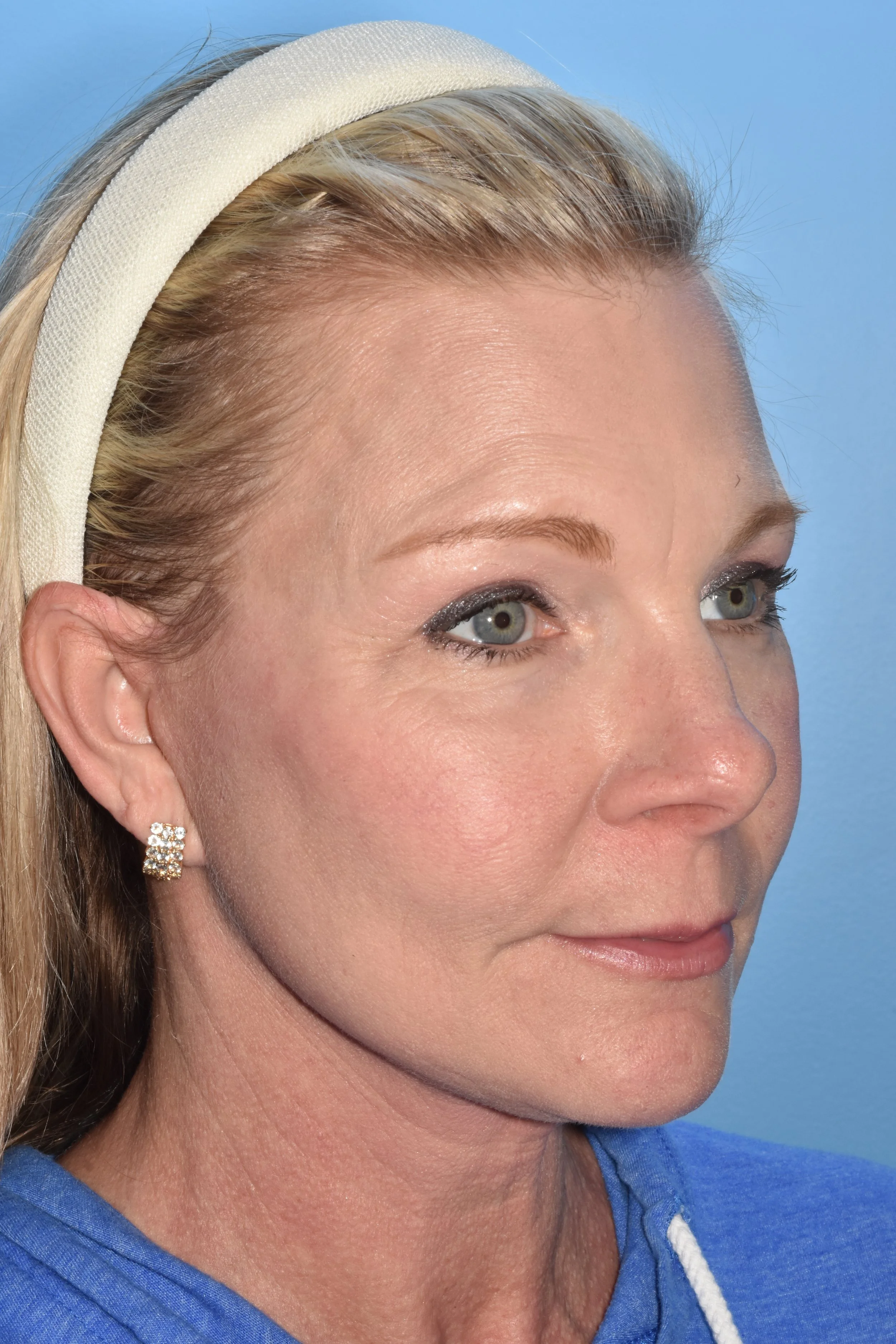
What Is a Facelift?
A facelift, also known as a rhytidectomy, is a surgical procedure designed to rejuvenate the lower face and neck by restoring youthful contours and definition. As we age, gravity, volume loss, and decreased skin elasticity lead to sagging skin, jowling, and loss of jawline and neck definition.
Facelift surgery addresses these concerns by repositioning the deeper facial tissues, removing excess skin, and tightening underlying structures to create a smoother, more refined appearance. A well-performed facelift provides natural-looking results that enhance—rather than change—your appearance.
Who Is a Good Candidate for a Facelift?
You may be a strong candidate for facelift surgery if you are experiencing signs of facial aging such as:
Sagging skin in the lower face
Jowls along the jawline
Loss of jawline definition
Loose or excess skin in the neck (“turkey neck”)
Deep folds around the mouth and chin
These changes are caused by descent of the deeper soft tissues of the face, not just loose skin. Patients seeking long-lasting facial rejuvenation and improved facial contour often benefit most from a facelift procedure.
Deep Plane Facelift: Advanced Facial Rejuvenation Technique
I typically preference in the deep plane facelift, an advanced facelift technique that lifts and repositions the underlying facial muscles and connective tissue (SMAS layer) as a single unit. Unlike traditional facelifts that primarily tighten the skin, the deep plane facelift restores the natural position of facial structures for more comprehensive and longer-lasting results.
Benefits of a deep plane facelift include:
More natural, non-pulled appearance
Improved jawline contour and definition
Significant neck rejuvenation
Longer-lasting results compared to traditional techniques
By addressing the root cause of facial aging—soft tissue descent—the deep plane facelift provides a balanced, refreshed appearance while preserving your natural facial expression.