What Is Rhinophyma? Causes, Symptoms, and Treatment
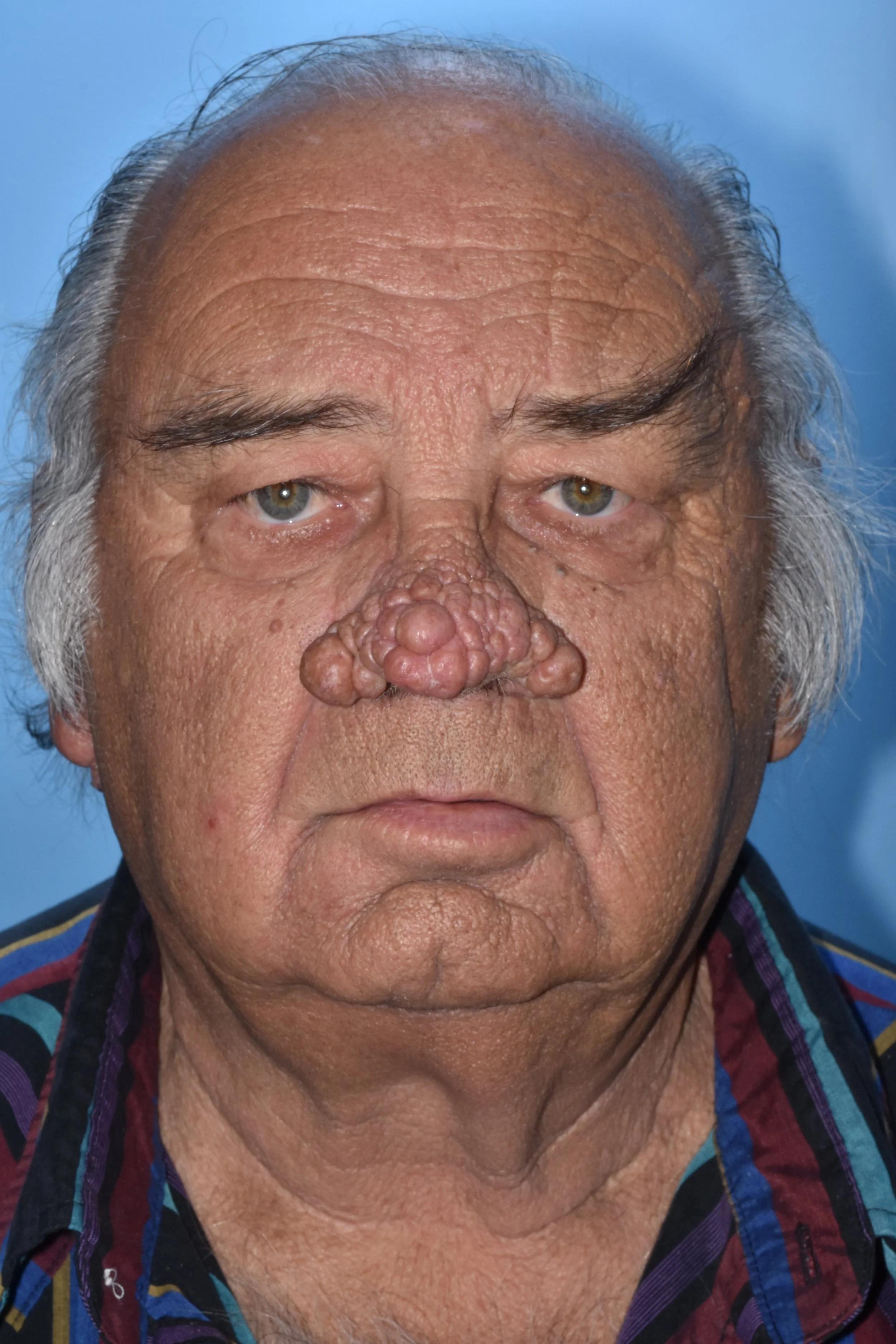
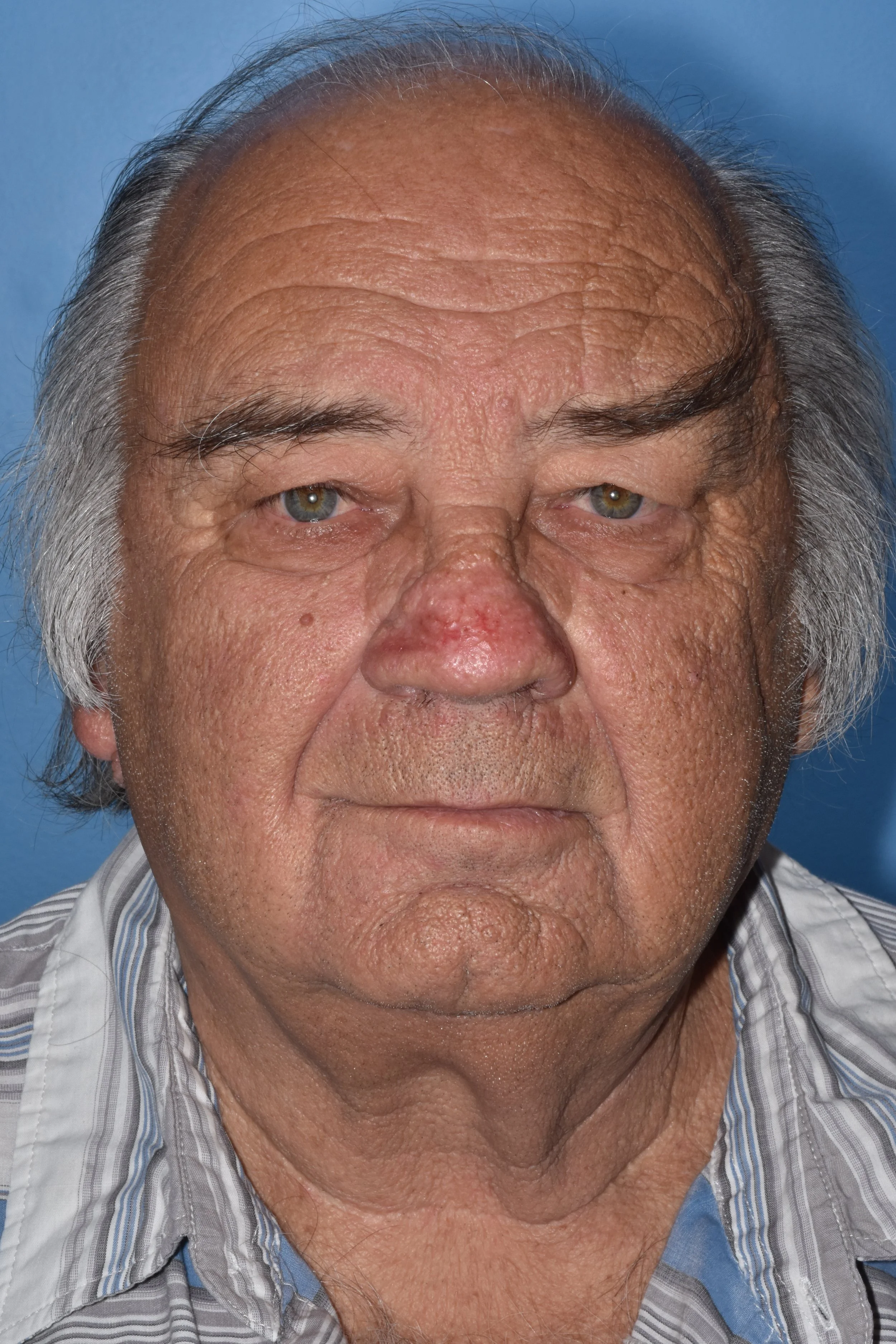
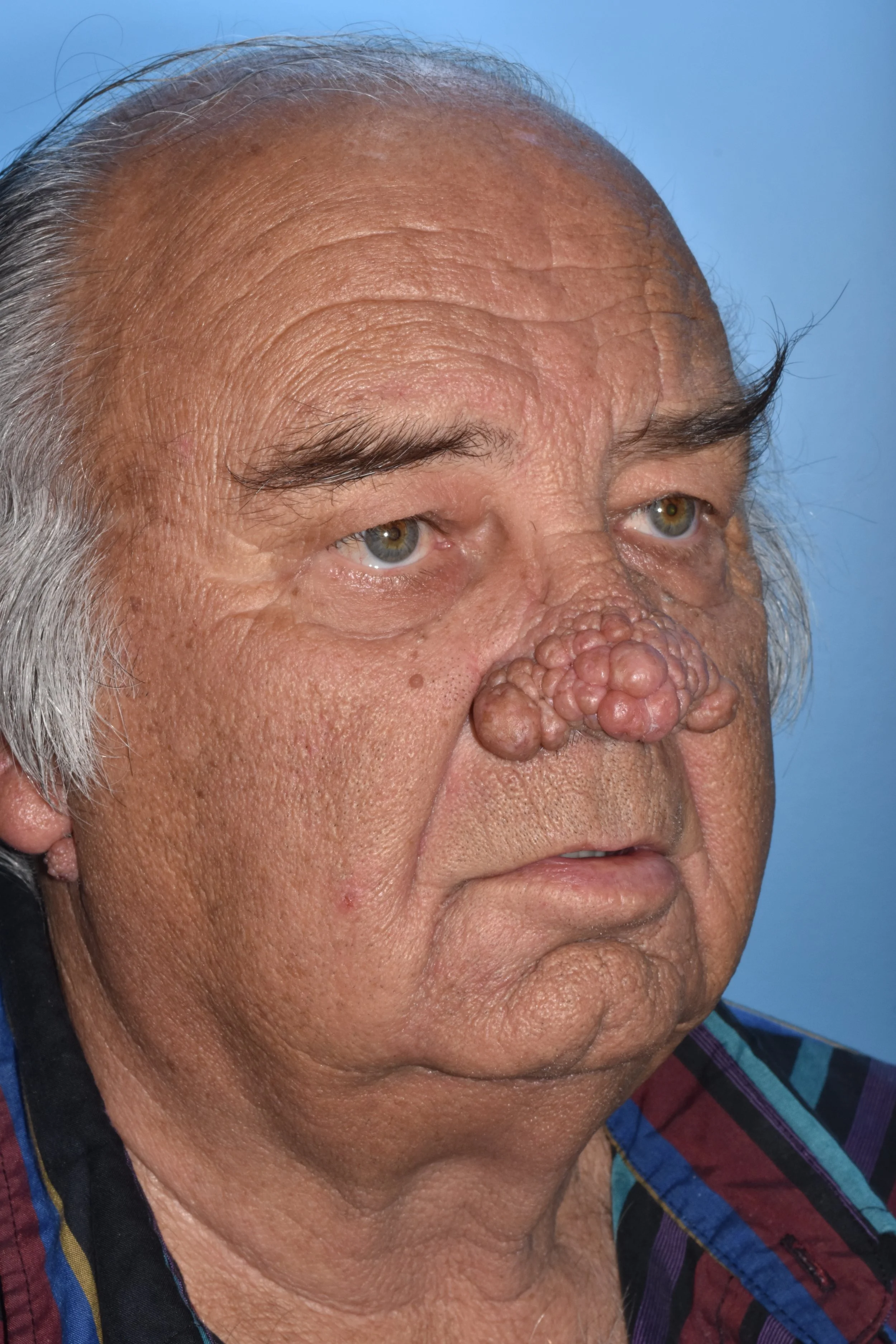

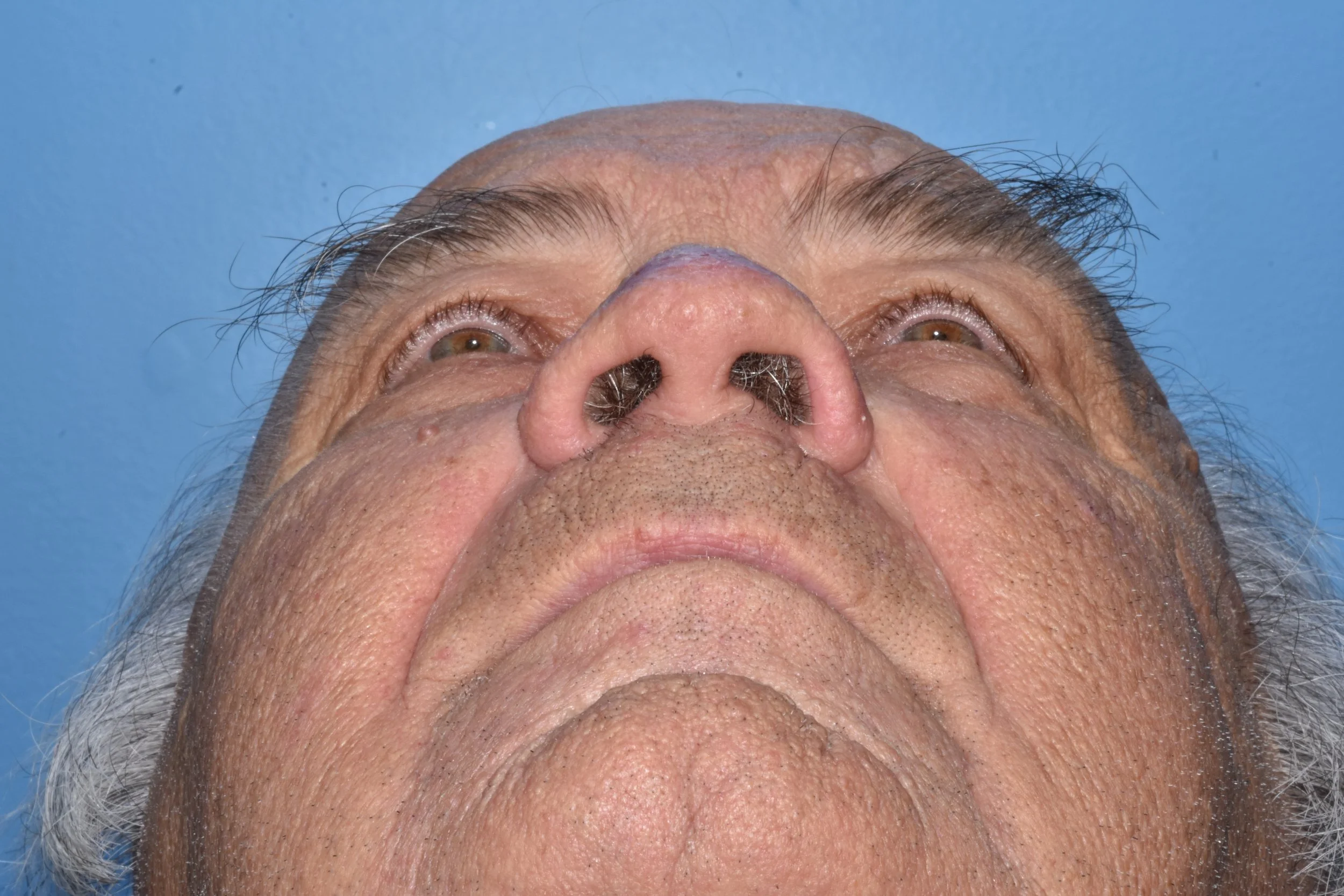
Rhinophyma sounds like something out of a gothic novel, but it’s a real, progressive skin condition that turns the nose into a bumpy, bulbous landmark. Over time, the nasal skin thickens, sebaceous glands balloon, and clusters of excess tissue form — not just changing appearance but sometimes blocking airflow and making breathing harder.
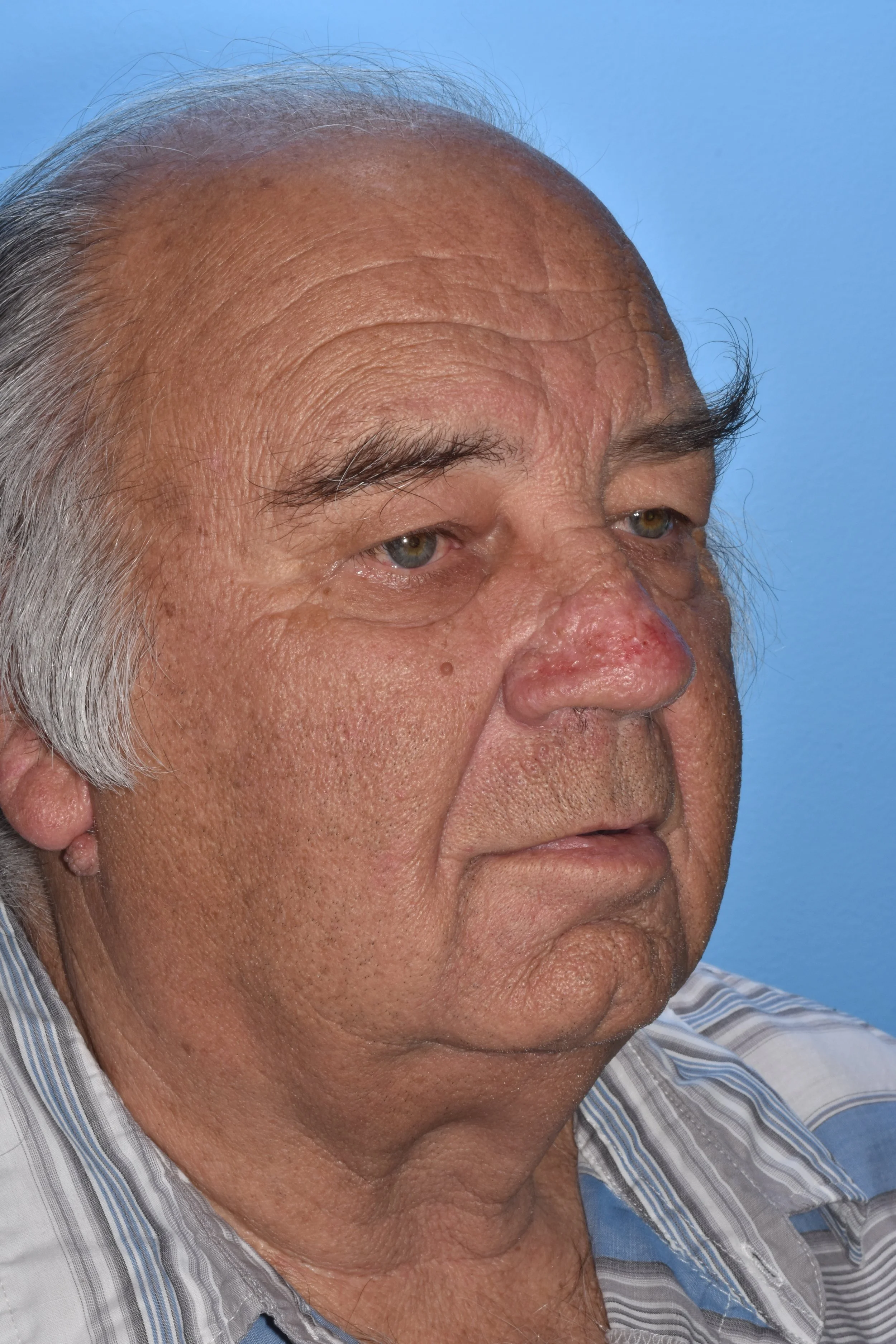
Surgery aims to bring the nose back to normal — both in how it looks and how it works. The go‑to approach blends two trusted tools: the scalpel for delicate sculpting and electrocautery for clean control. The scalpel is the artist’s brush, shaving away hypertrophic tissue and refining tiny contours. Electrocautery is the practical partner, tamping down bleeding and smoothing the surface where needed. Together they carve a more natural nasal silhouette while keeping blood loss low and heat damage minimal.
Initially, the nose looks raw as it heals. Diligent wound care — usually liberal moisturizing ointment — helps new skin cells march across the surface and re‑epithelialize the area. In severe cases, surgeons must remove a lot of tissue to restore shape and function, but go too deep and scar formation becomes a risk. Good surgical judgment walks that fine line: remove enough to free breathing and reshape the nose, but preserve enough dermis to promote tidy, functional healing.
